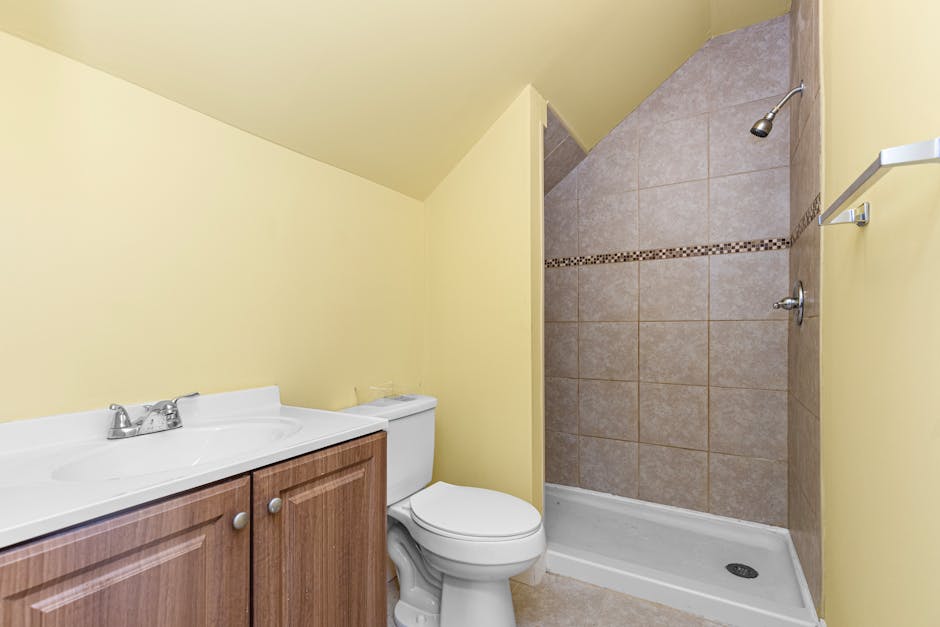
Are you planning a bathroom remodel in Columbus and wondering how to navigate Ohio building codes bathroom remodel requirements? Understanding the local codes is essential to ensure your project meets safety standards and passes inspections without delays.
These codes cover crucial aspects like plumbing, electrical work, ventilation, and structural changes, all designed to protect your home and health. Ignoring or misunderstanding Ohio building codes bathroom remodel rules can lead to costly repairs or failed inspections.
Homeowners looking for a successful renovation should expect to comply with state and city regulations, including specific fixture placements, waterproofing methods, and electrical outlet standards. Getting familiar with these requirements upfront helps avoid common pitfalls and ensures your bathroom upgrade is both beautiful and compliant.
Why It Matters in Columbus, OH
Understanding Ohio state building codes for bathroom remodels is crucial for homeowners in Columbus, OH due to the city’s unique climate conditions and evolving local regulations. Compliance with codes bathroom ensures safety, prevents costly water damage, and protects against mold growth, which is common in the region’s humid environment.
Additionally, meeting building codes facilitates smoother inspections and resale value, making it essential for any bathroom remodel project in Columbus.
Professional companies in Columbus typically emphasize adherence to these standards to avoid violations and costly rework, underscoring why homeowners should prioritize code knowledge when planning a remodel.
Key Ohio State Building Codes Impacting Bathroom Remodels
Homeowners and contractors undertaking bathroom remodels in Columbus, OH must adhere to several critical Ohio building codes designed to ensure safety, functionality, and compliance. The Ohio Residential Code serves as the foundational guideline, encompassing structural requirements, ventilation standards, and moisture control measures crucial for bathroom environments.
Understanding these codes helps prevent common pitfalls such as inadequate waterproofing or improper ventilation that can lead to mold growth and water damage.
The Ohio Residential Code mandates specific provisions for bathroom layouts, including minimum clearances around fixtures and requirements for proper egress. Additionally, plumbing codes in Ohio dictate the installation of water supply lines, drainage systems, and venting to maintain sanitary conditions and prevent leaks or backflow.
Compliance with these codes is essential to avoid costly repairs and ensure the project passes municipal inspections.
Primary Ohio Building Codes Affecting Bathroom Remodels
- Structural Requirements: Regulations on framing, drywall, and waterproofing materials to withstand humidity and prevent structural deterioration.
- Ventilation Standards: Codes requiring mechanical or natural ventilation to reduce moisture accumulation and inhibit mold growth.
- Fixture Clearances: Minimum spacing rules around toilets, sinks, and bathtubs to comply with safety and usability standards.
- Plumbing Installation: Standards for piping materials, trap installations, and venting systems as per the Ohio plumbing code.
- Electrical Safety: Although covered in separate codes, coordination with plumbing installations is crucial to ensure overall bathroom safety.
Professional companies in Columbus typically reference these Ohio building codes throughout the planning and execution phases of bathroom remodeling. Homeowners looking for compliance assurance should expect contractors to be familiar with the Ohio Residential Code and local amendments affecting bathroom construction.

Permit Requirements and Application Process for Bathroom Remodels in Ohio
In Columbus, building permits are typically required for bathroom remodels that involve structural changes, plumbing alterations, or electrical work. Homeowners looking to update fixtures without modifying the layout or systems may not need a permit, but verifying with the local permit office is essential.
Failure to obtain the proper permits can lead to code violations, potential fines, and costly remediation efforts.
The permit application process in Columbus usually begins with submitting detailed plans to the permit office. These plans must clearly outline the scope of work, including any plumbing reroutes, electrical updates, or changes to the bathroom’s footprint.
Professional companies in Columbus often recommend including manufacturer specifications for new fixtures and materials to ensure compliance with the Ohio residential code.
Step-by-Step Permit Application Process in Columbus, OH
- Prepare detailed remodeling plans, highlighting all modifications and materials.
- Submit the application and plans to the Columbus permit office, either online or in person.
- Pay applicable fees, which vary based on project complexity and scope.
- Wait for plan review and approval, during which building inspectors verify compliance with Ohio building codes.
- Schedule inspections at key milestones during the remodel to confirm adherence to safety and code standards.
- Obtain final approval once all inspections are passed, allowing the remodel to be considered complete and compliant.
Professional companies in Columbus typically emphasize that adhering to this permit process mitigates risks such as water damage and mold growth, which can arise from improper renovations. Homeowners looking for a smooth bathroom remodel should expect thorough documentation and timely communication with the local permit office.
Common Mistake to Avoid
Homeowners in Columbus, OH often underestimate the complexity of Ohio state building codes when undertaking a bathroom remodel. A frequent error is neglecting to verify that all electrical work and plumbing comply with residential code requirements.
This oversight can lead to permit office rejections, costly rework, and increased risks of water damage or mold growth. Ensuring full adherence to codes bathroom regulations before starting can save significant time and expense.
Common Compliance Challenges in Ohio Bathroom Renovations and How to Avoid Them
Homeowners and professional companies in Columbus often encounter compliance issues related to Ohio building codes during bathroom remodels. One frequent challenge involves improper ventilation installations, which can lead to mold growth and water damage.
Ensuring that exhaust fans meet the Ohio residential code requirements for airflow and venting locations is essential to prevent these risks.
Another common mistake is failing to adhere to minimum clearances around plumbing fixtures, which can cause violations of local regulations and create functional problems. Inadequate spacing can also impact electrical work compliance, increasing safety hazards.
Professional companies in Columbus typically emphasize following detailed layouts that comply with state and municipal standards.
Strategies to Avoid Bathroom Remodel Mistakes
- Thoroughly review Ohio building codes relevant to bathroom dimensions, ventilation, and fixture placement before starting the project.
- Consult with experienced contractors or code specialists who understand the nuances of local compliance requirements.
- Use approved materials and installation methods that meet or exceed Ohio's residential code specifications.
- Schedule inspections at key stages to catch potential violations early and avoid costly rework.
- Document all permits and approvals obtained through the permit office to ensure transparency and accountability.
By proactively addressing these common compliance challenges, homeowners looking to remodel bathrooms in Columbus can reduce risks of code violations, water damage, and mold growth. Understanding and respecting Ohio building codes throughout the renovation process ensures safer, more durable bathroom upgrades that align with regulatory expectations.
Electrical and Plumbing Code Standards for Ohio Bathroom Remodels
Bathroom remodels in Columbus, OH must comply with the Ohio Electrical Code and Ohio Plumbing Code to ensure safety, functionality, and code adherence. The Ohio Electrical Code typically emphasizes proper installation of ground-fault circuit interrupters (GFCIs) in all bathroom receptacles to prevent electrical shock hazards.
Additionally, lighting fixtures and exhaust fans must be installed according to code to reduce the risk of moisture-related electrical failures and mold growth.
Regarding plumbing, the Ohio Plumbing Code mandates the use of approved materials and methods that prevent water damage and maintain sanitary conditions. This includes proper venting of drains, installation of anti-scald devices, and ensuring all fixtures meet minimum clearance requirements to avoid plumbing system failures.
Professional companies in Columbus usually verify that all pipes, valves, and fixtures conform to these standards to reduce costly repairs and compliance issues.
Key Electrical and Plumbing Requirements for Bathroom Remodels in Columbus
- GFCI protection: Required for all bathroom outlets within 6 feet of a water source to prevent shock risks.
- Lighting and ventilation: Adequate lighting fixtures and exhaust fans must be installed per Ohio Electrical Code to control humidity and prevent mold growth.
- Plumbing venting: Proper venting is essential to avoid sewer gas buildup and ensure effective drainage.
- Anti-scald valves: Installation of temperature-limiting devices is necessary to protect against burns.
- Fixture clearances: Codes specify minimum spacing around toilets, sinks, and tubs for accessibility and maintenance.
Homeowners looking for bathroom remodels should expect contractors to strictly follow these Ohio building codes. Failure to meet these requirements can lead to water damage, mold growth, and costly rework.
Utilizing a lead aggregator service can connect homeowners with professional companies well-versed in the Ohio Electrical Code and Ohio Plumbing Code, ensuring compliant and safe bathroom renovations.
Understanding Ohio State Building Codes for Bathroom Remodels
| Service Type | Cost Range | Typical Timeline |
|---|---|---|
| Permit Application and Approval | $100 - $400 | 1 - 3 weeks |
| Electrical Work Compliance | $1,000 - $3,500 | 2 - 5 days |
| Plumbing Upgrades and Inspections | $1,200 - $4,000 | 3 - 7 days |
| Structural Modifications | $2,500 - $8,000 | 1 - 3 weeks |
| Mold Remediation and Water Damage Repair | $500 - $5,000 | 3 - 10 days |
Frequently Asked Questions
What are the main Ohio building codes affecting bathroom remodels?
Ohio building codes for bathroom remodels focus on plumbing standards, electrical safety, and ventilation requirements. Compliance with the Ohio Residential Code ensures proper installation of fixtures, prevents water damage, and reduces risks of mold growth. Professional companies in Columbus typically follow these codes to avoid costly rework.
Do bathroom remodels in Columbus require permits?
Most bathroom remodels involving changes to plumbing, electrical work, or structural elements require permits. The permit office in Columbus enforces these rules to ensure safety and code compliance. Homeowners looking to remodel should expect to submit detailed plans and wait for approval before starting work.
How can non-compliance with Ohio codes impact a bathroom remodel?
Ignoring Ohio building codes during bathroom remodels can lead to costly rework, project delays, and potential safety hazards. Non-compliance increases risks of water damage and mold growth, which compromise structural integrity and health. Professional companies in Columbus emphasize strict adherence to prevent these issues.
What ventilation standards must be met in Ohio bathroom remodels?
The Ohio Residential Code mandates proper ventilation to control moisture and prevent mold growth. Bathroom remodels typically require exhaust fans vented to the exterior or operable windows meeting minimum size requirements. Adhering to these standards reduces water damage and improves indoor air quality.
Are there specific electrical requirements for bathroom renovations in Ohio?
Yes, Ohio electrical code requires that bathroom remodels include GFCI-protected outlets, proper lighting, and safe wiring methods. These standards protect against electrical shock and fire hazards. Companies in Columbus usually ensure all electrical work meets these codes to maintain safety and compliance.
Understanding Ohio state building codes is essential for bathroom remodels in Columbus, OH to prevent water damage, mold growth, and costly rework. Homeowners looking to upgrade their bathrooms should prioritize compliance with the residential code and relevant electrical and plumbing standards to ensure safety and durability.
Professional companies in Columbus typically navigate these regulations efficiently, but homeowners benefit from consulting licensed contractors for accurate guidance. Get matched with vetted Bathroom Remodel contractors in Columbus, OH via our -matching form to secure a compliant and successful renovation.