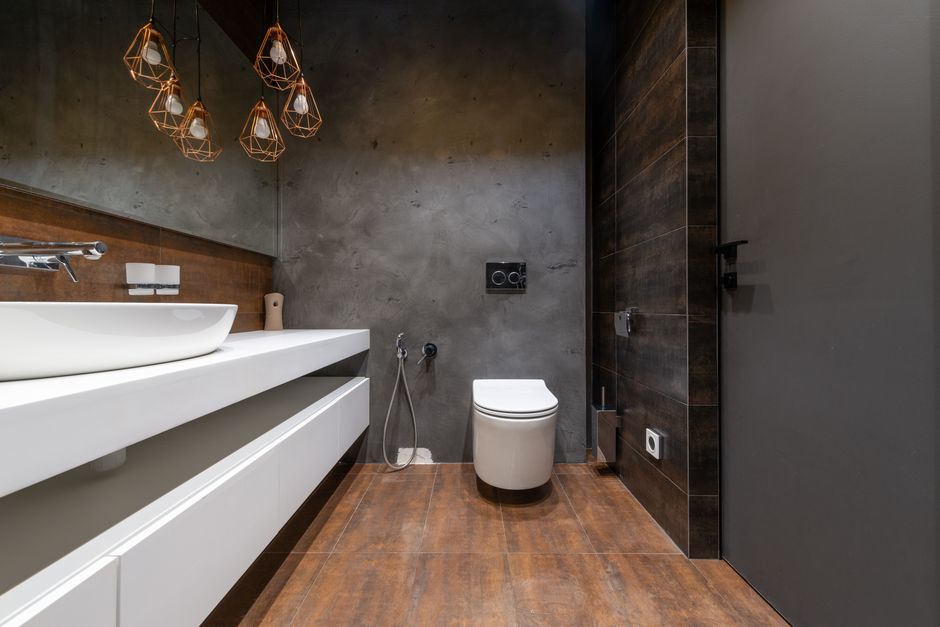
Accessible bathroom remodel Columbus Ohio projects often address the frustration and risks homeowners face with outdated, unsafe bathrooms. Many residents in Columbus struggle with limited mobility and require modifications like grab bars, roll-in showers, and wider doorways to improve safety and independence.
Without these accessibility features, daily routines can become hazardous, leading to falls or injuries. Professional accessible bathroom remodels in Columbus Ohio focus on eliminating barriers while enhancing comfort and functionality. Homeowners looking to upgrade should consider customized solutions that comply with local codes and accommodate specific needs.
Incorporating elements such as non-slip flooring, adjustable vanities, and easy-to-reach fixtures significantly reduces risks associated with traditional designs. Finding experienced contractors familiar with accessible design standards ensures a remodel that not only meets but exceeds expectations for safety and usability in the Columbus area.
Why It Matters in Columbus, OH
In Columbus, OH, incorporating accessibility features into bathroom remodels is crucial due to the city’s growing aging population and increasing awareness of inclusive design. Local homes often require adaptations to meet ADA guidelines and accommodate residents with mobility challenges.
Properly designed accessible bathrooms reduce the risk of falls and enhance daily living safety. Additionally, these features improve property value and ensure compliance with regional building codes. Homeowners looking for remodels in Columbus should prioritize accessibility upgrades to create safe, functional, and welcoming spaces for all users.
Key Accessibility Features to Include in a Bathroom Remodel in Columbus, Ohio
Homeowners looking to improve bathroom accessibility in Columbus, OH should prioritize several essential features that enhance safety and usability. Installing grab bars near toilets and showers is a fundamental step, providing critical support that reduces the risk of falls.
These bars must be securely anchored to withstand substantial weight and positioned according to individual mobility needs.
Walk-in showers are another key element in accessible bathroom remodels. Unlike traditional tubs, walk-in showers eliminate the need to step over high edges, facilitating easier access for individuals with limited mobility. Incorporating a built-in bench and handheld showerhead further improves convenience and comfort.
Additional Accessibility Features to Consider
- Non-slip flooring: Selecting slip-resistant materials, such as textured tile or vinyl with enhanced traction, minimizes hazards related to wet surfaces common in bathrooms.
- Wide doorways and clear floor space: Ensuring sufficient room for wheelchair maneuverability is critical for accessibility compliance and user comfort.
- Lever-style faucets and easy-to-reach controls: These fixtures simplify operation for users with limited hand strength or dexterity.
Local remodels in Columbus typically incorporate these features to create bathrooms that are safer and more functional for residents with varying mobility challenges. Professional companies often customize solutions based on specific home layouts and homeowner requirements, ensuring that each feature integrates seamlessly with the overall design.

Local Building Codes and ADA Compliance for Accessible Bathroom Remodels in Columbus
Homeowners looking to improve bathroom accessibility in Columbus, Ohio, must consider both local building codes and federal ADA compliance standards. Columbus follows the Ohio Building Code, which incorporates accessibility requirements aligned with the Americans with Disabilities Act (ADA).
These regulations ensure that remodels meet minimum standards for clearance space, fixture placement, and maneuverability to accommodate individuals with mobility challenges.
Specifically, Columbus building codes mandate minimum door widths of 32 inches for accessible bathrooms and require grab bars to be installed at certain heights near toilets and showers.
ADA compliance further specifies that turning radius inside the bathroom should allow for a 60-inch diameter circle to enable wheelchair users to navigate safely. These standards also address fixture heights, such as sinks and toilets, to enhance safety and usability.
Key Code and ADA Requirements in Columbus Accessible Bathroom Remodels
- Minimum door clearances: 32 inches for wheelchair access
- Grab bar placement: At least 33-36 inches above the floor near toilets and showers
- Turning radius: 60-inch diameter clear floor space for maneuverability
- Fixture heights: Toilets between 17-19 inches; sinks no higher than 34 inches
- Non-slip flooring: Required to reduce fall risks under Ohio building codes
Professional companies in Columbus usually stay current with these evolving codes to ensure remodels provide maximum accessibility while remaining compliant with local and federal regulations.
Homeowners looking for accessible bathroom solutions should expect contractors to be knowledgeable about the intersection of Columbus building codes and ADA guidelines to guarantee a safe, functional, and code-compliant remodel.
Pro Tip: Prioritize Seamless Accessibility Transitions
When planning an accessible bathroom remodel in Columbus, OH, homeowners looking to enhance safety and usability should focus on creating seamless transitions between toilets, showers, and sinks. Avoiding thresholds and using curbless shower designs can significantly reduce the risk of falls for individuals with limited mobility.
Additionally, selecting durable, non-slip flooring materials that comply with ADA guidelines ensures long-term accessibility and peace of mind.
Choosing the Right Materials and Fixtures for Durable Accessible Bathrooms in Columbus
Homeowners in Columbus seeking to enhance accessible bathroom functionality should prioritize durable materials and safety-focused fixtures. Selecting surfaces resistant to water damage and slip hazards is essential for long-term usability and minimizing risk falls.
Materials such as textured porcelain tiles, non-porous quartz countertops, and corrosion-resistant metals often serve well in these environments.
Accessible bathroom fixtures designed for ease of use typically feature lever-style handles, adjustable showerheads, and elongated toilets with comfort-height designs. These fixtures not only comply with ADA guidelines but also improve safety and usability for individuals with limited mobility.
Prioritizing grab bars made from stainless steel or other sturdy materials near toilets and showers can further enhance stability.
Recommended Materials and Fixtures for Accessible Bathrooms in Columbus
- Non-slip flooring: Textured vinyl or rubber flooring reduces slip incidents while providing comfort underfoot.
- Water-resistant wall panels: Fiberglass-reinforced panels prevent mold growth and simplify cleaning.
- Lever faucets and handles: Easy to operate, reducing strain for users with dexterity challenges.
- Comfort-height toilets: Facilitate easier sitting and standing motions for individuals with mobility issues.
- Adjustable showerheads: Allow customization to user height, improving accessibility.
- Sturdy grab bars: Strategically placed to enhance support near critical areas like showers and toilets.
By focusing on these durable materials and safety-oriented fixtures, bathroom remodels in Columbus can effectively address the needs of residents facing mobility challenges. This approach ensures that the remodeled space maintains both safety and usability over time, aligning with local expectations for quality accessible design.
Working with Columbus-Based Contractors Specializing in Accessible Bathroom Remodels
Homeowners looking for accessible bathroom contractors in Columbus, OH should prioritize those with proven local expertise in accessibility standards and remodeling practices. Contractors familiar with Columbus building codes and ADA guidelines can ensure compliance while enhancing safety and usability.
This local knowledge is critical to avoid costly revisions and to meet specific mobility challenges faced by residents.
Experienced contractors typically conduct thorough assessments of existing bathrooms to identify necessary modifications that align with both safety requirements and aesthetic preferences.
They understand how to integrate features such as grab bars, non-slip flooring, and appropriately positioned toilets and showers to minimize the risk of falls and facilitate ease of use.
Tips for Selecting Columbus-Based Accessible Bathroom Contractors
- Verify local experience: Choose contractors with a track record of completing accessible bathroom remodels in Columbus neighborhoods.
- Request references: Homeowners should seek feedback from previous clients who required similar accessibility upgrades.
- Evaluate knowledge of regulations: Confirm that contractors stay current with local building codes and ADA compliance.
- Assess communication skills: Effective collaboration ensures the remodel meets individual mobility needs and design expectations.
- Compare multiple quotes: Reviewing several proposals helps homeowners understand market rates and scope details for accessible remodels.
Incorporating Accessibility Features into Bathroom Remodels in Columbus Ohio: Cost and Timeline Breakdown
| Service Type | Cost Range | Typical Timeline |
|---|---|---|
| Installing Grab Bars Near Toilets and Showers | $150 to $500 | 1 to 2 days |
| Non-Slip Flooring Installation | $800 to $3,000 | 2 to 4 days |
| Walk-In or Roll-In Shower Conversion | $3,000 to $10,000 | 3 to 7 days |
| Accessible Toilet Replacement (Comfort Height) | $300 to $1,200 | 1 day |
| Widening Doorways for Wheelchair Access | $500 to $2,500 | 2 to 5 days |
Frequently Asked Questions
What are the most important accessibility features to include in a bathroom remodel?
Homeowners looking to enhance bathroom accessibility should prioritize grab bars, non-slip flooring, and walk-in showers or tubs. These features reduce the risk of falls and improve safety usability for individuals with limited mobility.
How can I ensure my bathroom remodel meets ADA guidelines?
Professional companies typically follow ADA guidelines by installing appropriately placed grab bars, ensuring toilet heights meet standards, and providing sufficient turning space. Local contractors in Columbus, OH, often integrate these elements to comply with both building codes and accessibility features.
Are there specific materials recommended for accessible bathrooms?
Durable, water-resistant materials like ceramic tile or textured vinyl are common choices. These support non-slip flooring needs and withstand frequent cleaning. Homeowners looking for long-term functionality often select fixtures made from stainless steel or easy-to-clean surfaces.
What challenges might arise during an accessible bathroom remodel?
Common issues include accommodating existing plumbing locations, ensuring enough space for mobility aids, and meeting strict building codes. Homeowners should expect coordination between design and construction to address these while maintaining safety usability.
How do grab bars improve bathroom safety?
Grab bars provide essential support near toilets and showers, significantly reducing the risk of falls. Properly installed bars help those with mobility challenges maintain balance and independence, making them a critical component of any accessible bathroom remodel.
Incorporating accessibility features into a bathroom remodel in Columbus, OH significantly enhances safety and usability for individuals with limited mobility. Homeowners looking to reduce the risk of falls and improve functionality should carefully select compliant fixtures, durable materials, and strategically place grab bars.
Proper planning ensures the remodel meets both building codes and ADA guidelines, resulting in a more accessible and comfortable space.
Get matched with vetted Bathroom Remodel contractors in Columbus, OH via our to start your project with professionals experienced in accessible bathroom solutions.